
Female Infertility: Common Causes and Early Warning Signs
Infertility is a sensitive and emotional topic, especially for women who dream of becoming mothers. Many women feel confused, worried, or even guilty when pregnancy does not happen naturally. The truth is—female infertility is more common than we think, and in most cases, it can be treated with the right medical care and timely guidance.
Understanding the common causes of female infertility and recognizing the early warning signs can help women seek help sooner. With advancements in female infertility treatment in India, many women are now successfully conceiving and fulfilling their dream of parenthood.
In this blog, we will explain female infertility in simple language, discuss its causes, early symptoms, diagnosis, and treatment options, and guide you on when to consult a specialist.
What Is Female Infertility?
Female infertility refers to a condition where a woman is unable to get pregnant even after trying for one year (or six months if above 35 years) without using any birth control. It can be caused by problems related to ovulation, fallopian tubes, uterus, hormones, or overall reproductive health.
The good news is that early diagnosis and proper female infertility treatment have helped thousands of women conceive naturally or with medical assistance.
Common Causes of Female Infertility
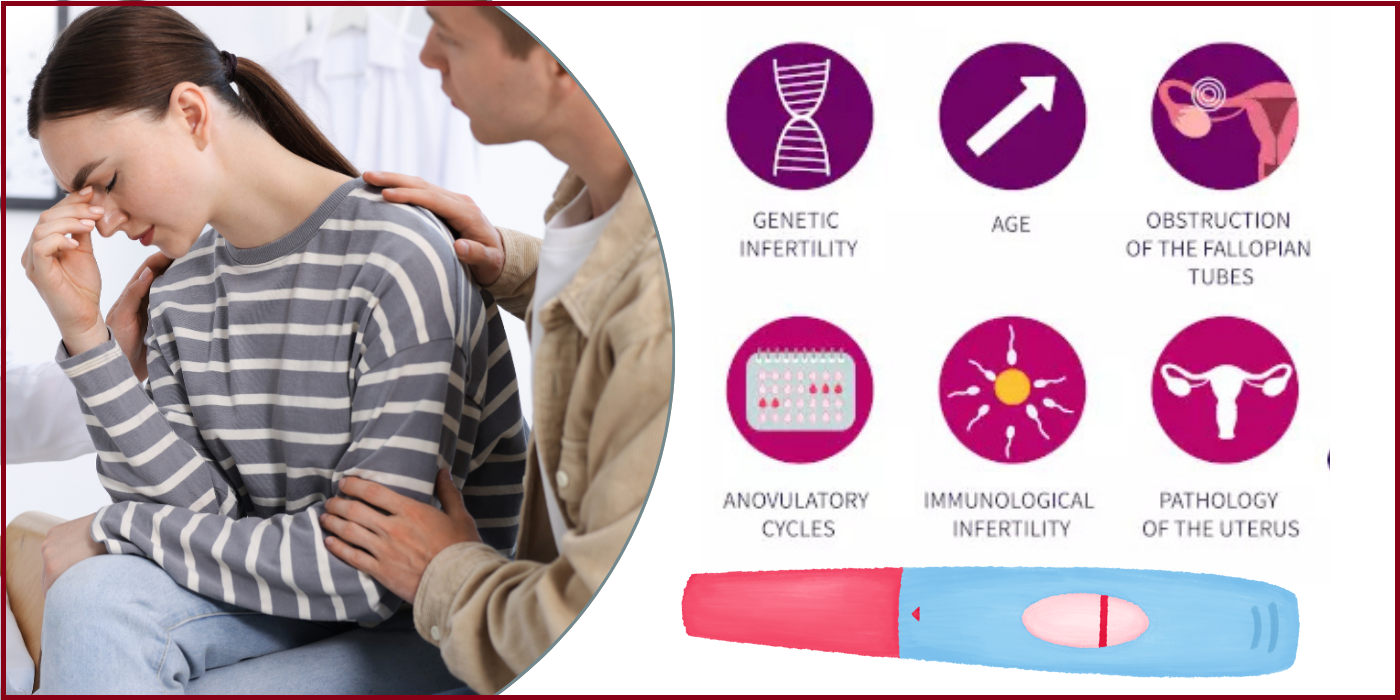
Female infertility can occur due to one or multiple factors. Let’s understand the most common causes:
- Ovulation Disorders
Ovulation problems are one of the leading causes of infertility. If the ovaries do not release eggs regularly, pregnancy becomes difficult. Common conditions include:
- Polycystic Ovary Syndrome (PCOS)
- Hormonal imbalance
- Thyroid disorders
- Excess stress or sudden weight changes
- Fallopian Tube Blockage
Blocked or damaged fallopian tubes prevent the egg from meeting the sperm. This may happen due to:
- Pelvic infections
- Sexually transmitted infections (STIs)
- Previous surgeries
- Endometriosis
- Endometriosis
Endometriosis occurs when tissue similar to the uterine lining grows outside the uterus. It can cause pain, irregular periods, and infertility.
- Uterine Problems
Problems like fibroids, polyps, or abnormalities in the uterus can interfere with implantation and pregnancy.
- Age-Related Infertility
As women age, especially after 35, egg quality and quantity decline. This is a natural process but can affect fertility.
- Lifestyle Factors
Unhealthy habits such as smoking, excessive alcohol consumption, poor diet, lack of exercise, and chronic stress can negatively impact fertility.
Early Warning Signs of Female Infertility
Many women ignore early symptoms, assuming they are normal. Paying attention to these warning signs can help you take action early:
- Irregular or Missed Periods
Periods that are too frequent, too late, or completely absent may indicate ovulation issues.
- Painful Periods
Severe cramps or pelvic pain during periods could be a sign of endometriosis or other reproductive issues.
- Hormonal Symptoms
Signs like acne, excess facial hair, hair thinning, or unexplained weight gain may indicate hormonal imbalance.
- Pain During Intercourse
Painful intercourse should never be ignored, as it can be linked to infections or endometriosis.
- Repeated Pregnancy Loss
Multiple miscarriages may indicate underlying fertility or uterine problems.
If you notice any of these symptoms, consulting a specialist at a female infertility clinic in Varanasi or your nearby city can help identify the root cause early.
When Should You See a Doctor?
You should consult a fertility specialist if:
- You are under 35 and have been trying for 1 year
- You are above 35 and have been trying for 6 months
- You have irregular periods or severe pain
- You have a known medical condition like PCOS or thyroid disorder
Choosing the best gynaecologist in Varanasi ensures you receive personalized care, accurate diagnosis, and the right treatment plan.
How Is Female Infertility Diagnosed?
Diagnosis usually involves:
- Medical history review
- Blood tests to check hormone levels
- Ultrasound scans
- Ovulation tracking
- Hysteroscopy or laparoscopy (if needed)
A trusted female infertility clinic in Varanasi will guide you through these tests gently and clearly, ensuring you understand each step.
Female Infertility Treatment Options
Thanks to modern medicine, female infertility treatment in India offers multiple solutions depending on the cause:
- Medications
Hormonal medicines help regulate ovulation and improve egg quality.
- Lifestyle Changes
Improving diet, reducing stress, maintaining a healthy weight, and quitting harmful habits can enhance fertility naturally.
- Surgical Treatment
Minor surgeries can correct uterine abnormalities, fibroids, or blocked tubes.
- Assisted Reproductive Techniques (ART)
Options like IUI or IVF are recommended when other treatments do not work.
A skilled specialist or the best gynaecologist in Varanasi will suggest the most suitable option based on your condition and age.
Emotional Support Matters Too
Infertility can take an emotional toll on women and couples. Anxiety, depression, and stress are common during this journey. Many leading female infertility clinics in Varanasi now focus on emotional counseling along with medical treatment to support patients holistically.
Why Early Treatment Makes a Difference
Early diagnosis improves success rates and reduces treatment complexity. Delaying consultation may make treatment more difficult, especially with increasing age. Seeking timely female infertility treatment in India can save time, money, and emotional stress.
Final Thoughts
Female infertility is not a failure—it is a medical condition that deserves care, understanding, and proper treatment. With awareness, early warning signs, and the right medical support, many women go on to have healthy pregnancies.
If you are experiencing symptoms or struggling to conceive, do not hesitate to consult the best gynaecologist in Varanasi or visit a trusted female infertility clinic in Varanasi. With expert guidance and advanced female infertility treatment in India, your journey toward motherhood can begin with confidence and hope.
 Chat with us.